More Than Half of Gen X Is Saving for an Emergency Fund: 4 Reasons You Need To Prioritize It
 Written by
Ashley Donohoe
Written by
Ashley Donohoe
 Edited by
Chris Cluff
Edited by
Chris Cluff

Commitment to Our Readers
GOBankingRates' editorial team is committed to bringing you unbiased reviews and information. We use data-driven methodologies to evaluate financial products and services - our reviews and ratings are not influenced by advertisers. You can read more about our editorial guidelines and our products and services review methodology.

20 Years
Helping You Live Richer

Reviewed
by Experts

Trusted by
Millions of Readers
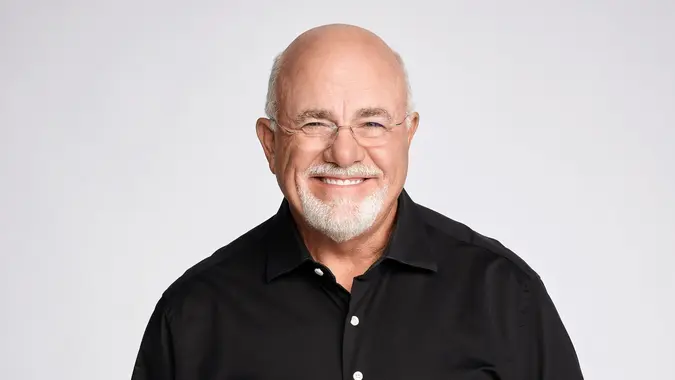
A recent GOBankingRates survey found that 55% of Gen Xers ages 45 to 54 said they’re saving money for an emergency fund. Whether you’re worried about layoffs or surprise expenses, having this fund is so crucial for your financial well-being that the financial expert Dave Ramsey recommends prioritizing it over contributing to your retirement savings.
Here are four reasons you should focus on building these savings — ideally, enough to cover a minimum of three to six months of your expenses.
You’ll Have Peace of Mind
While living from paycheck to paycheck is already difficult, the fear of financial shocks can worsen the stress. If you or a family member gets sick, you lose your job or a pipe bursts in your home, you can find yourself struggling to find cash to get by.
But a sufficient emergency fund will provide you with some peace. Even if these problems come up, you’ll have cash ready to use so you can focus on finding another job, getting medical treatment or handling other issues.
You Could Avoid Costly Debt
Desperate to cover bills in an emergency, you might grab your credit card or take out a personal loan. Recent Federal Reserve data shows that these financial products usually have high interest rates, so handling an emergency this way can land you in a costly debt trap that affects you long afterwards.
Once you build your emergency fund, you’ll be less likely to need debt. Instead of potentially paying years of interest, you could actually earn a good return on your savings as long as you pick the account type and bank wisely.
You Can Improve Your Financial Discipline
The work that goes into saving for an emergency fund can help you build lifelong money skills. For example, you’ll need to practice good budgeting techniques to have cash to regularly contribute to the fund. The process can also require getting impulse spending habits under control.
When you move on to bigger savings goals, the financial discipline you’ve gained could improve your success. You may also feel more comfortable with everyday money management.
You Can Safeguard Your Retirement Savings
Gen X is known for being behind in building retirement savings and wealth. This makes the group more likely to experience financial challenges at retirement age, which isn’t too far away for the oldest members, who are in their late 50s.
Since your retirement money should be left to grow, you benefit from emergency savings that reduce the temptation to make early 401(k) or IRA withdrawals, which can also involve penalties. Plus, your emergency fund will offer security after retirement so that you can handle the unexpected and ideally avoid excessive retirement plan withdrawals.
More From GOBankingRates