Why Mark Cuban Thinks Investing In Companies That Rely On Amazon Is Risky
 Written by
Caitlyn Moorhead
Written by
Caitlyn Moorhead
 Edited by
Molly Sullivan
Edited by
Molly Sullivan

Commitment to Our Readers
GOBankingRates' editorial team is committed to bringing you unbiased reviews and information. We use data-driven methodologies to evaluate financial products and services - our reviews and ratings are not influenced by advertisers. You can read more about our editorial guidelines and our products and services review methodology.

20 Years
Helping You Live Richer

Reviewed
by Experts

Trusted by
Millions of Readers
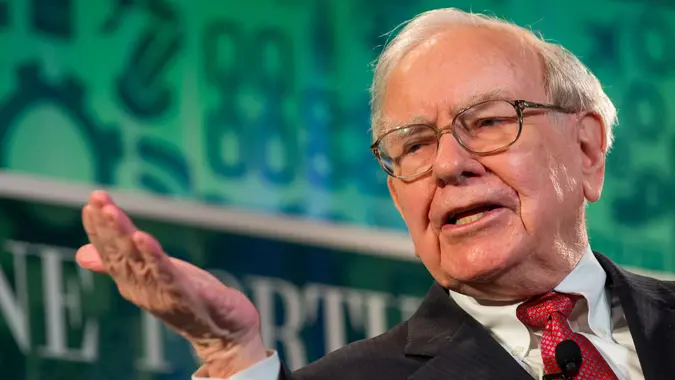
Billionaires tend to know their way around an investment strategy, so when someone like “Shark Tank” star investor and all-around money expert Mark Cuban says to avoid a company, you might want to take stock. Case in point, he has been increasingly vocal about why he avoids investing in companies that depend heavily on Amazon for their sales.
In fact, Cuban posted on X, “When I look at investing in companies, if you have any level of dependency on Amazon, it’s a negative.” Here are just a few reasons why he thinks it is too risky.
Amazon’s Seller Fees Are ‘Insane and Unsustainable’
Outside of the financial fragility created by dependency on a single dominant marketplace, Cuban has repeatedly emphasized that Amazon’s cost structure and high seller fees are a red flag for him when evaluating investment opportunities. He argued that Amazon’s ever-increasing fees for covering such business necessities as fulfillment, advertising, storage and transaction costs can quickly erode margins for small or even mid-sized businesses.
“I would love to have people post what percent of sales in fees from Amazon and Walmart they are experiencing. The numbers I have seen are insane and unsustainable,” Cuban said.
Cuban’s point is well substantiated, given that high fees dramatically affect profitability. He is also a firm believer that companies generating a large percentage of revenue via Amazon face declining margins and a limited ability to raise prices without losing competitiveness.
Amazon’s Counterfeit Crisis and Fraud Hurt Honest Sellers
Amazon’s marketplace has struggled for years with counterfeit goods from third-party sellers, a problem that continues to hit legitimate brands hard. Not only do fake rip-offs undercut the value of your product, but they also make customers unsure of whether or not your product is the genuine article.
Cuban knows this dilutes brand trust, forcing legitimate sellers to engage in costly enforcement measures, and sometimes even compromise safety. He has proposed stronger measures against counterfeiters, including product registration and financial bonds for importers, but until Amazon fully solves the issue, he views it as a structural risk.
This means your business hangs in the balance of further regulation. To be fair, Amazon does have the Counterfeit Crimes Unit (CCU) to combat the issues of fraud, but the sheer scale of the platform and volume of goods makes eliminating the problem unrealistic.
Trump’s Tariffs and Supply Chain Issues Could Make For Dangerous Dependency
Cuban has also shrewdly pointed to broader geopolitical risks and the resulting ripple effect of trade wars and tariffs on imported goods. He specifically cited tariffs, for example, those on Chinese imports, which could hit Amazon hard because its retail marketplace relies heavily on international supply chains, as they will undoubtedly continue to increase Amazon’s operational costs and disrupt sellers who depend on low-cost imported goods.
If Amazon is squeezed by higher costs, third-party sellers may face even more fee hikes or marketplace changes. Everything financial trickles downhill when it comes to passing the buck of who will owe just how many bucks.
More From GOBankingRates